
Exploring Ambient Music with Thomas Lemmer
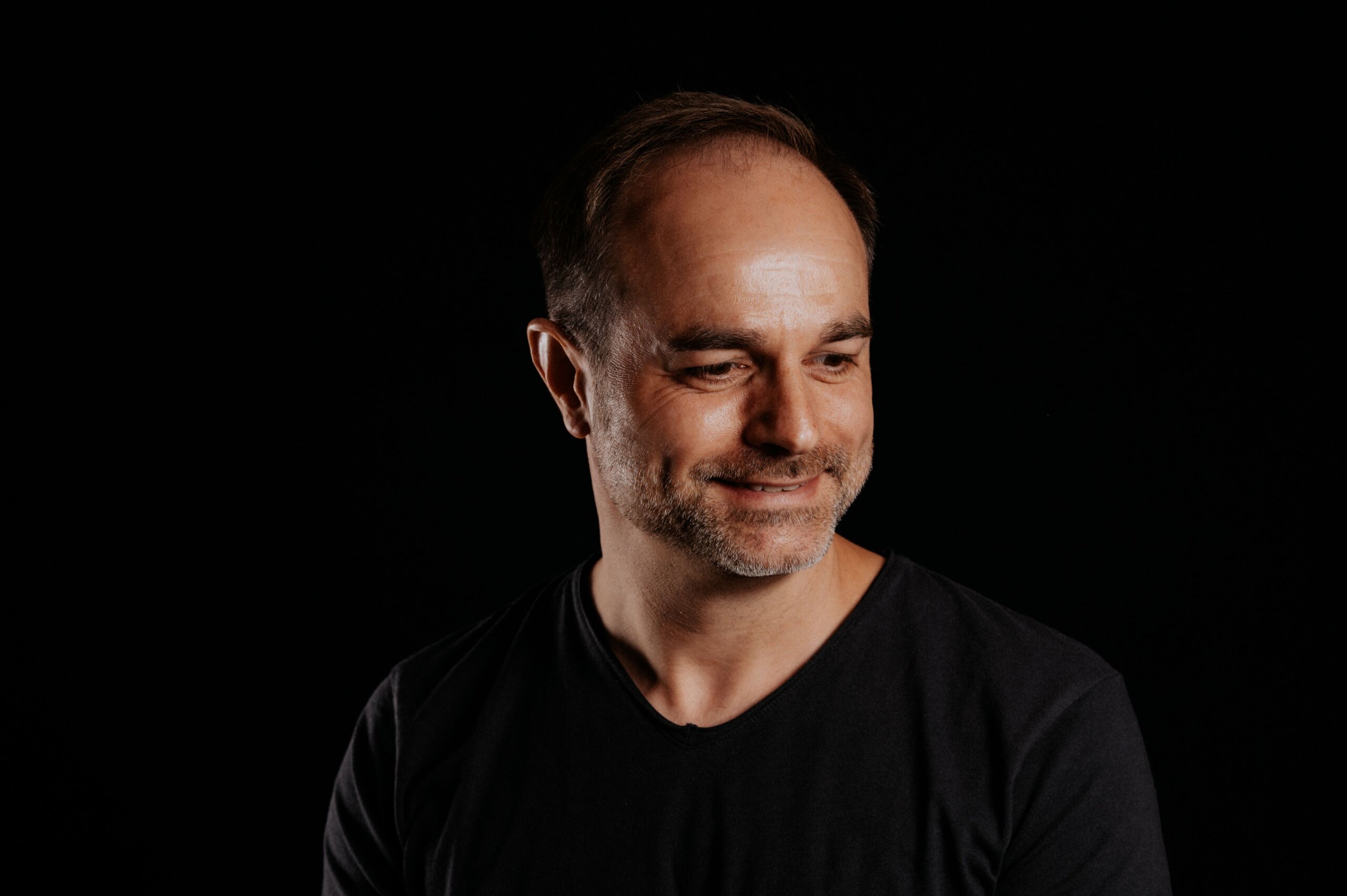
Today we speak with Thomas Lemmer, a music producer and composer from Germany who has been successfully releasing music for many years and is an extensive user of Waldorf synthesizers.
On this occasion, we spoke with him about his career and his perspective on the field of ambient music, a genre full of synths that stands out for its experiential approach and the many discussions and debates that it has sparked over the years.
But let’s start with Thomas. As a self-taught music producer known for his immersive soundscapes in the field of electronic and ambient music, he describes music not just as art but also as a tool for well-being. He has spent decades composing sonic environments built to help listeners relax, focus, and dream.
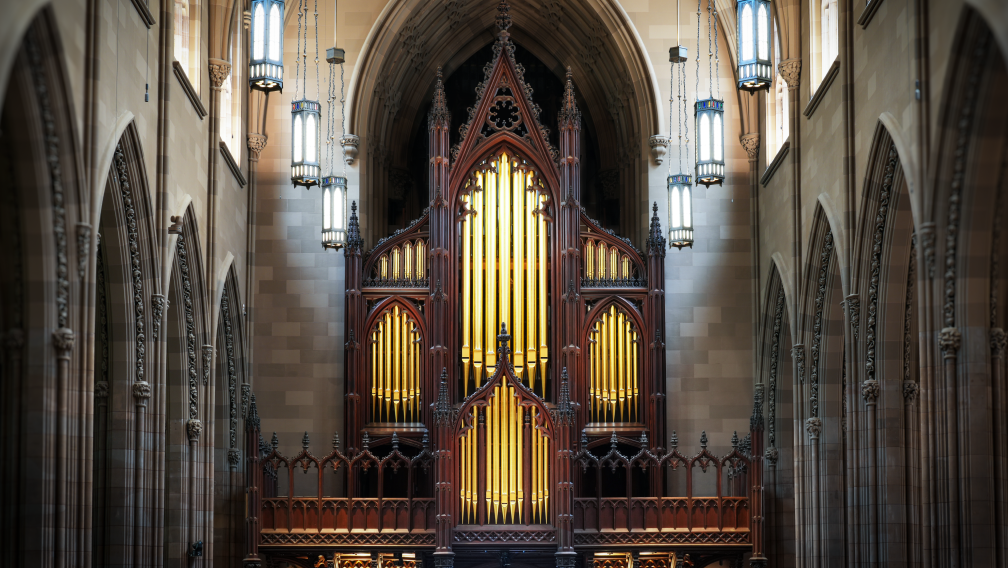
He began writing music and getting into production as a teenager, but his musical journey started at an even younger age, after his father gifted him a piano. Interestingly, when he was sixteen, he dedicated several years to studying the church organ, which also expanded his musical understanding.
“The organ taught me a lot about sound in space and the different textures it can create. You really learn how sound develops and fades in a room, how the listening position changes the experience, and how much your touch and phrasing matter, even on an instrument that can feel huge and architectural. […] I’d say it absolutely shaped my musical decisions. I still think back to certain organ lessons when I’m arranging, especially when I’m writing string parts or building long, evolving sections. That whole idea of sound living in a room, and in a listener’s head, is still at the core of my productions today.”
Over the years, Thomas has focused on genres like ambient, electronica, and downtempo. He has released many albums like Hope, Still, Zero Gravity, and Dreamscapes, and has topped charts and earned recognition including the German Songwriting Award 2025 for his track Nocturnal Embrace.
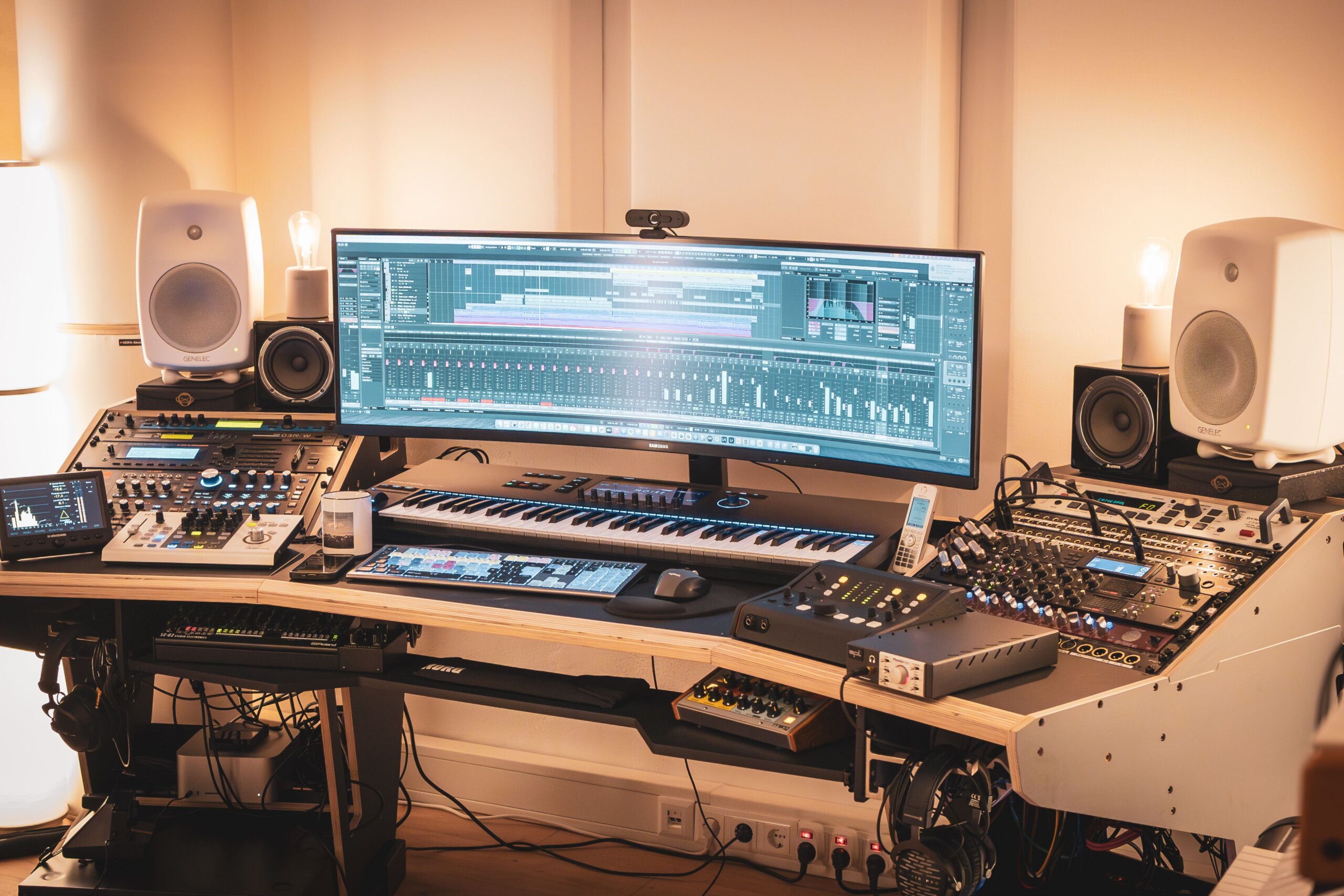
If you ask him, in the studio, hardware synthesizers are his essential creative tools, which he finds particularly suited to these ambient soundscapes.
Over the years, Thomas has focused on genres like ambient, electronica, and downtempo. He has released many albums like Hope, Still, Zero Gravity, and Dreamscapes, and has topped charts and earned recognition including the German Songwriting Award 2025 for his track Nocturnal Embrace.
If you ask him, in the studio, hardware synthesizers are his essential creative tools, which he finds particularly suited to these ambient soundscapes.
“Synthesizers can create those otherworldly sounds and atmospheres you want to dive into. They can be a texture that feels like home, or a mood that immediately inspires you to write a melody on top. It’s like closing your eyes and stepping into a different world.
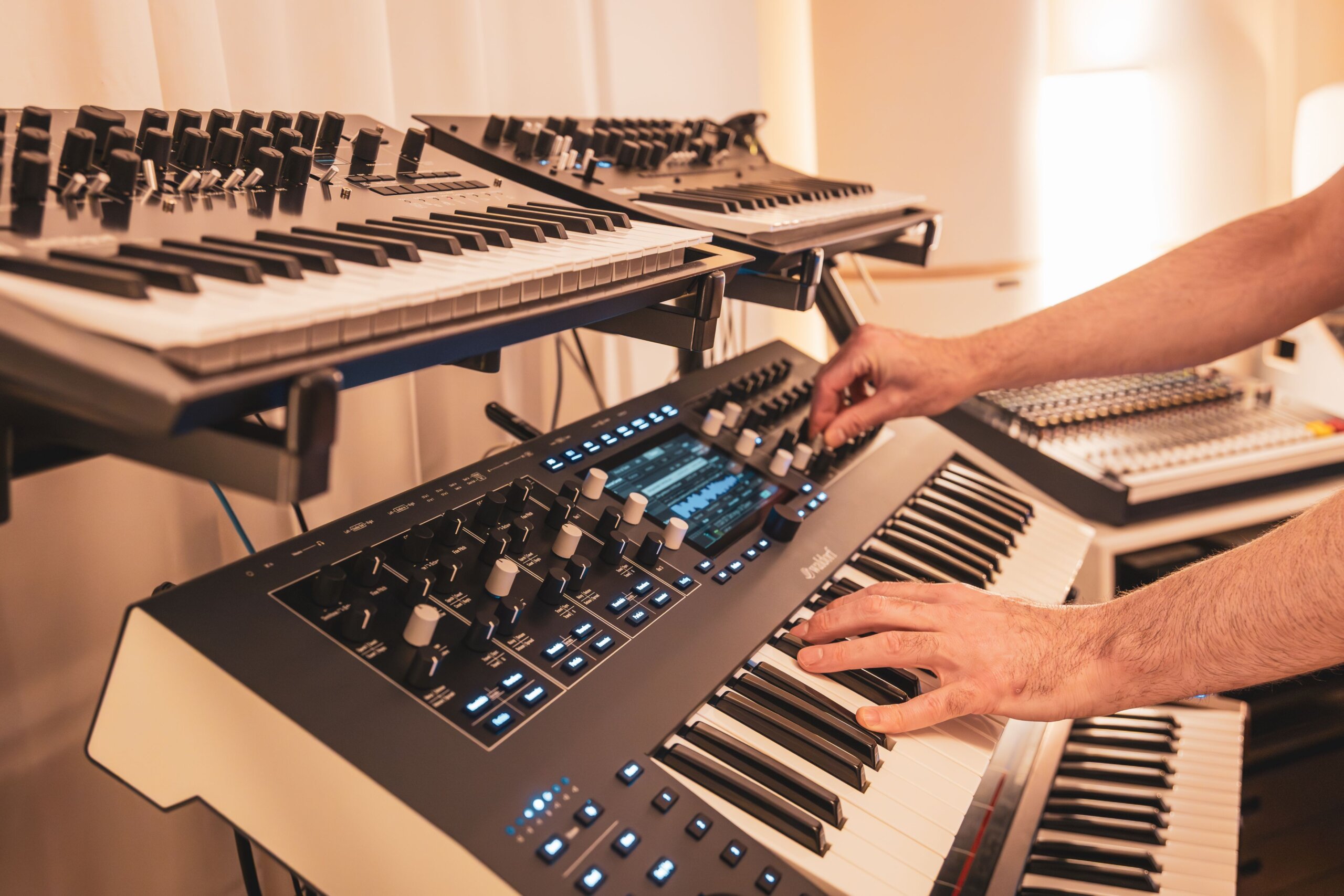
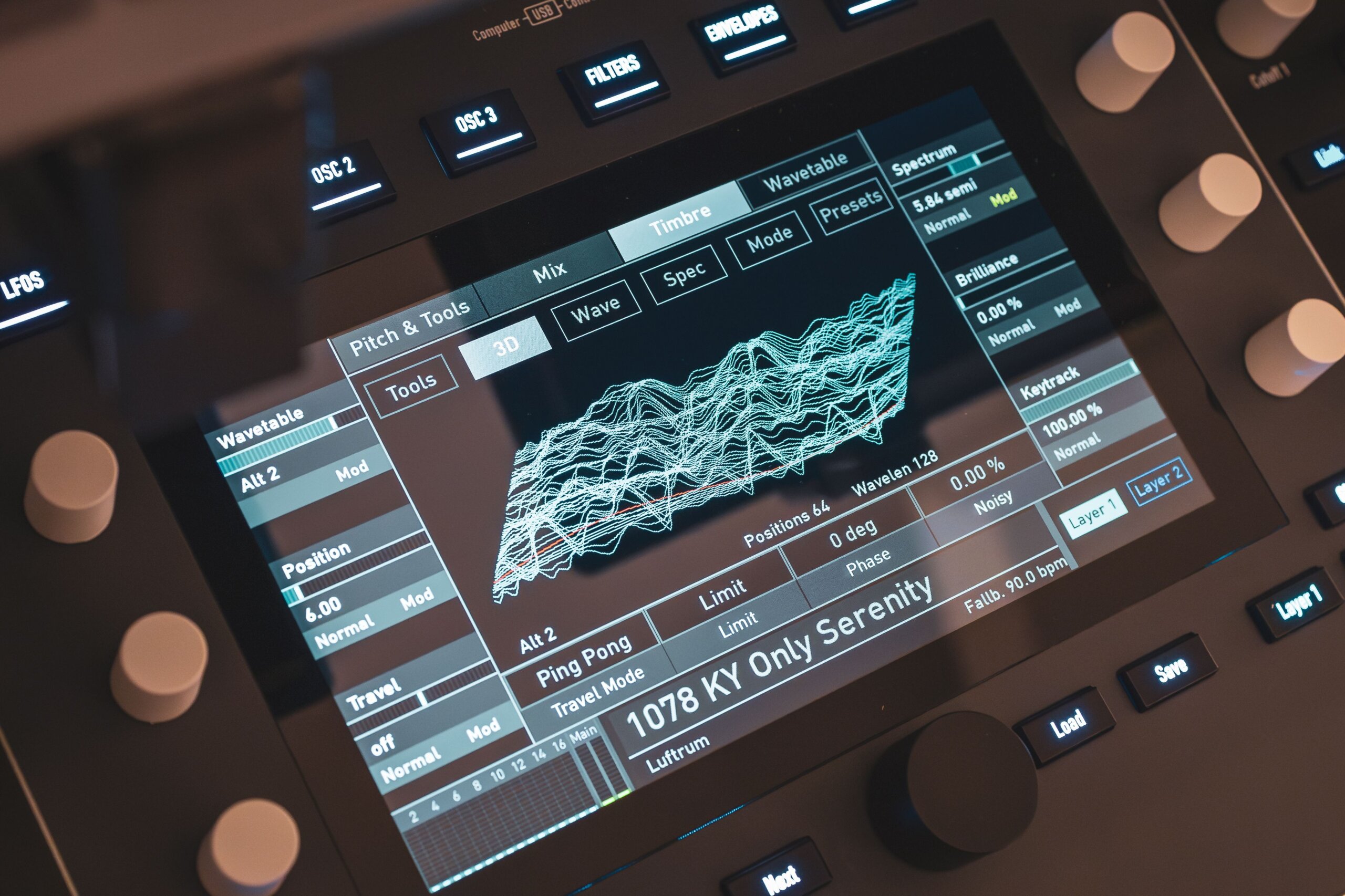
Wavetable synths, like the Waldorf Blofeld or Iridium, with their flexible modulation options, are perfect for ambient soundscapes. The range of movement and variation you can build into a sound is huge.”
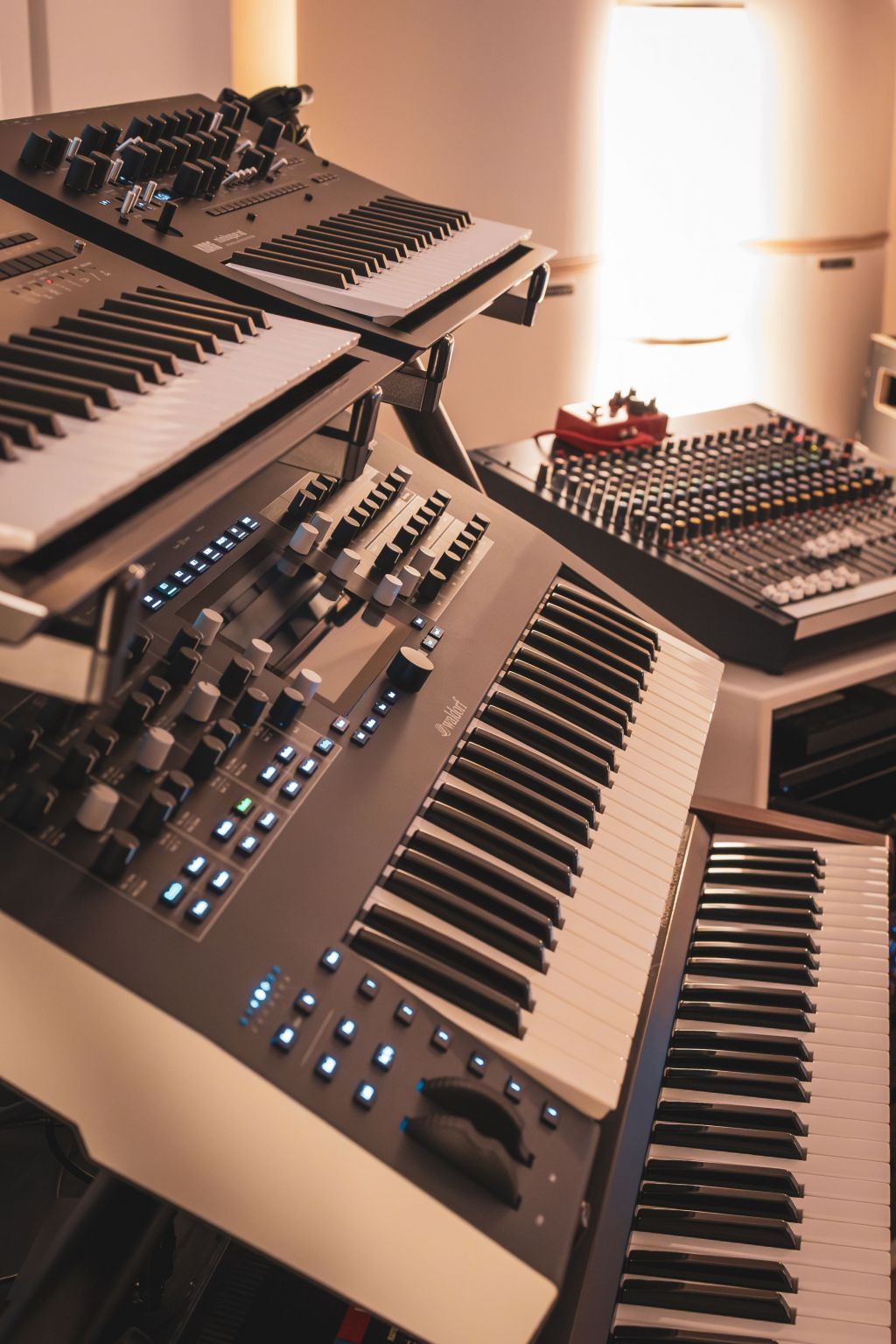
Central to Thomas’s sound is his long-lasting relationship with Waldorf synthesizers. For over a decade, instruments like the Iridium, Blofeld, Pulse 2, the Zarenbourg, as well as several Waldorf VSTs, have been integral to his creative process.
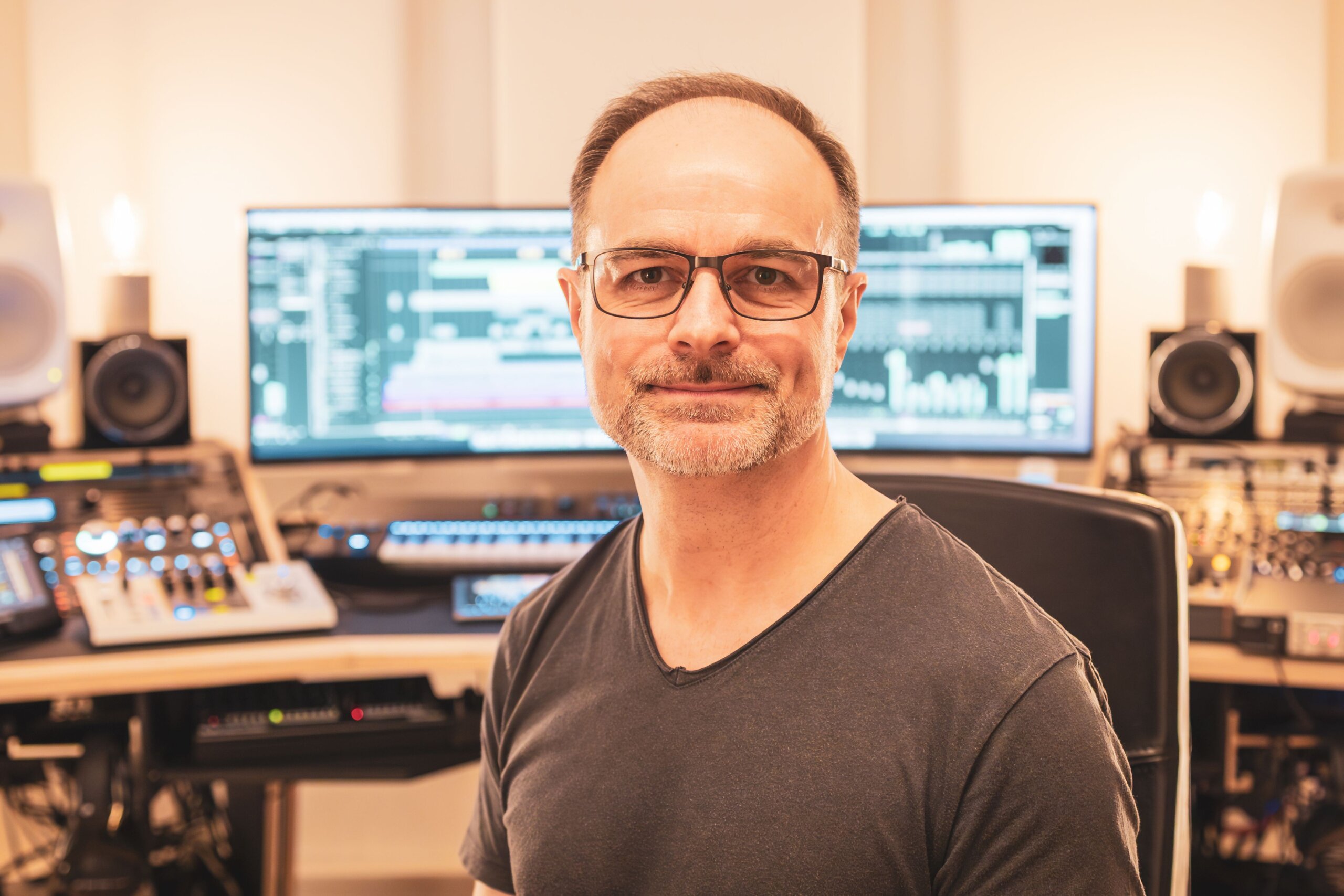
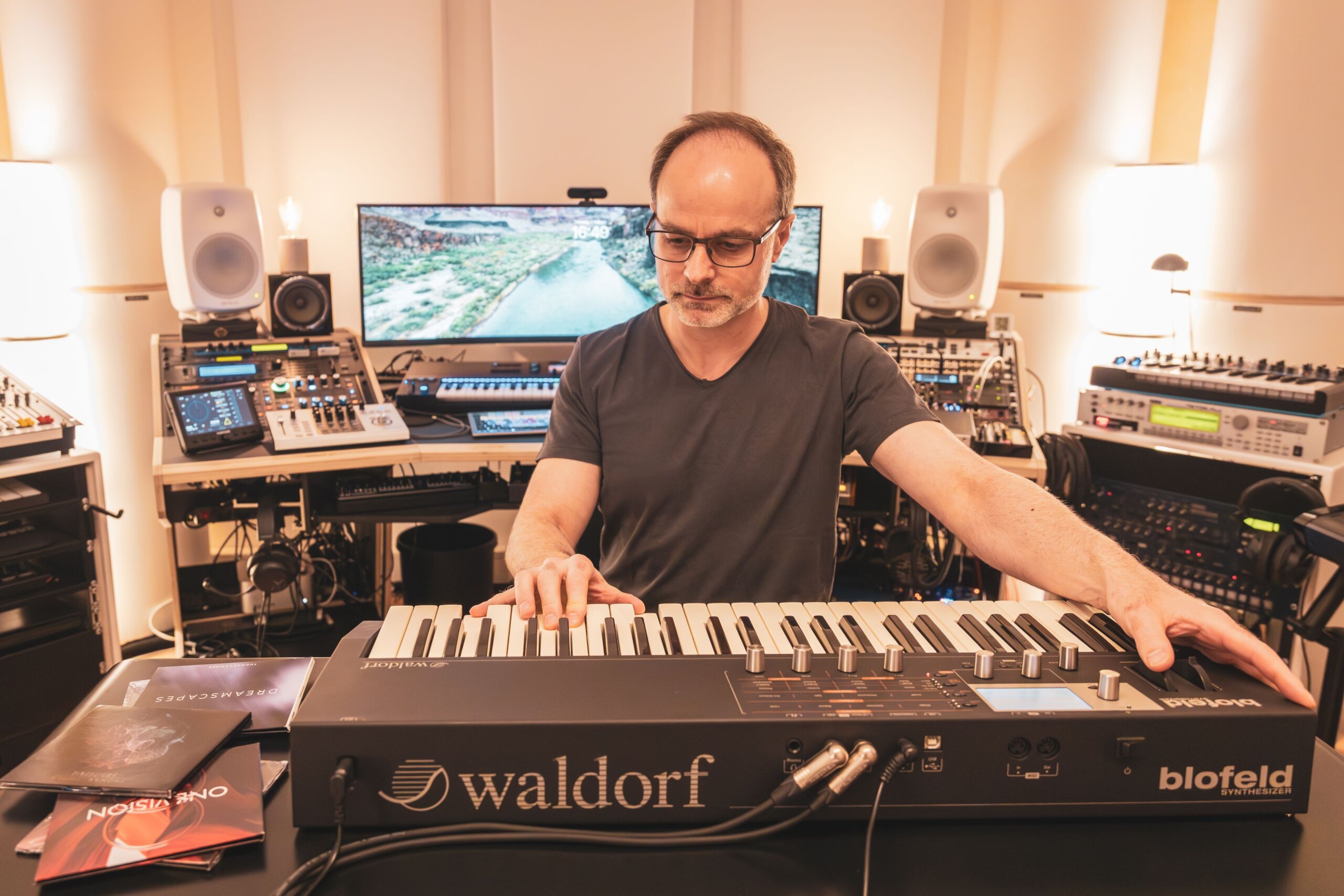
“Many of my tracks have been significantly shaped by the sound of your synthesizers, especially on my Dolby Atmos albums such as Hope, Dreamscapes, and the collaborative project One Vision with Oine. […] I find sounds in general deeply inspiring, and Waldorf synths have played a major role in that for me. They give me the freedom to quickly shape sounds or modify presets exactly to fit what I need, while also allowing me to stay creative and individual in my expression.
Waldorf synths are especially well-suited for Ambient music, as they go impressively deep in terms of sound design and creative options. The Iridium, in particular, is absolutely mind-blowing.”
“Many of my tracks have been significantly shaped by the sound of your synthesizers, especially on my Dolby Atmos albums such as Hope, Dreamscapes, and the collaborative project One Vision with Oine. […] I find sounds in general deeply inspiring, and Waldorf synths have played a major role in that for me. They give me the freedom to quickly shape sounds or modify presets exactly to fit what I need, while also allowing me to stay creative and individual in my expression.
Waldorf synths are especially well-suited for Ambient music, as they go impressively deep in terms of sound design and creative options. The Iridium, in particular, is absolutely mind-blowing.”
How did your relationship with Waldorf Music begin, and which Waldorf tools are you currently using in your studio?
“It started with the Waldorf Blofeld. I was in a music store, played it for a bit, and immediately fell in love. I bought one and used it on many recordings, especially on my album AMBITRONIC.
I also use the Waldorf Zarenbourg E-Piano for writing sessions. […] For my upcoming album DREAMSCAPES II, I did some live recordings with the Zarenbourg. And I used the Iridium quite often for textures, pads, and other interesting ambient sounds.
With the Iridium, I often start with a simple harmonic idea or a basic texture and then shape it into something that feels alive through modulation, subtle movement, and layered detail. Those kinds of evolving sounds are a huge part of how I build atmosphere in my recent work. This synth is a sound designer’s dream, it’s incredibly inspiring and very flexible.”
How do you use Waldorf synths in your workflow?
“When I work on melody-focused ambient pieces, I often use the Waldorf Zarenbourg because it invites me to write immediately without turning on the computer or the speakers.
When I’m looking for textures or more unusual, standout sounds, I’ll use the Blofeld or the Iridium. One example is an evolving pad I built on the Blofeld using slow filter movement and subtle modulation, so it never repeats the same way twice. It sits behind the piano like a breathing layer and makes the track feel wider without getting in the way.
The Iridium is a massive synth, and I love the immediate access to its parameters and its sound design potential. I used it a lot on my latest ambient album DREAMSCAPES.”
How did your relationship with Waldorf Music begin, and which Waldorf tools are you currently using in your studio?
“It started with the Waldorf Blofeld. I was in a music store, played it for a bit, and immediately fell in love. I bought one and used it on many recordings, especially on my album AMBITRONIC.
I also use the Waldorf Zarenbourg E-Piano for writing sessions. […] For my upcoming album DREAMSCAPES II, I did some live recordings with the Zarenbourg. And I used the Iridium quite often for textures, pads, and other interesting ambient sounds.
With the Iridium, I often start with a simple harmonic idea or a basic texture and then shape it into something that feels alive through modulation, subtle movement, and layered detail. Those kinds of evolving sounds are a huge part of how I build atmosphere in my recent work. This synth is a sound designer’s dream, it’s incredibly inspiring and very flexible.”
How do you use Waldorf synths in your workflow?
“When I work on melody-focused ambient pieces, I often use the Waldorf Zarenbourg because it invites me to write immediately without turning on the computer or the speakers.
When I’m looking for textures or more unusual, standout sounds, I’ll use the Blofeld or the Iridium. One example is an evolving pad I built on the Blofeld using slow filter movement and subtle modulation, so it never repeats the same way twice. It sits behind the piano like a breathing layer and makes the track feel wider without getting in the way.
The Iridium is a massive synth, and I love the immediate access to its parameters and its sound design potential. I used it a lot on my latest ambient album DREAMSCAPES.”
From our conversation with Thomas and his story, a recurring theme pops up: his music isn’t just “music to listen to.”
“Music has always been my way of bringing beauty into the world. I aim to create ambient, chillout, and electronic music that helps you relax, focus, or dream, music that resonates on a deeper level.”
This focus on intention and experience is quite common in the genres he explores. Let’s look more closely at ambient music, for example. Thomas’s story with this genre is already quite representative of what makes it special:
“I didn’t really listen to ambient music in my youth. That changed in 2004 when I was on vacation on Fehmarn. I sat in a beach café and heard some Café del Mar music. When I got home, I still had that mood and that sound in my head, so I started working on something similar. One of my early tracks was then picked for the Café del Mar compilation series. From there, I discovered this world and went deeper and deeper. Looking back, it was the right path for me. It blends my classical background with my fascination for synthesizers and sound design.”
This focus on intention and experience is quite common in the genres he explores. Let’s look more closely at ambient music, for example. Thomas’s story with this genre is already quite representative of what makes it special:
“I didn’t really listen to ambient music in my youth. That changed in 2004 when I was on vacation on Fehmarn. I sat in a beach café and heard some Café del Mar music. When I got home, I still had that mood and that sound in my head, so I started working on something similar. One of my early tracks was then picked for the Café del Mar compilation series. From there, I discovered this world and went deeper and deeper. Looking back, it was the right path for me. It blends my classical background with my fascination for synthesizers and sound design.”
But what do we exactly mean by ambient music? Thomas approach reflects this interesting characteristic balance between intentionality and immersion, but it also lets us notice some of the controversy around it:
“The ambient field is very wide, and I sometimes struggle myself with a strict definition. To me, ambient music is music that creates a mood or an environment. It can make you feel relaxed, focused, dreamy, melancholic, or simply present, in the moment, in a flow. The best ambient music draws you in, connects you with your inner self, and tells its own story.
Some people see ambient music as background music, but if it’s done right, it can be some of the deepest music you can experience. And the fact that the genre is so wide is actually a big advantage, you can hear influences from many different styles.
My approach is very feeling-driven and sound-driven. Because I come from classical piano, melody, harmony, and structure play a big role in my music. Textures, synths, and sound design support that foundation and also set the emotional tone. Sometimes I start on the piano, and sometimes I start with a pad or a synth texture that guides me toward the melody and structure later.”
But what do we exactly mean by ambient music? Thomas approach reflects this interesting characteristic balance between intentionality and immersion, but it also lets us notice some of the controversy around it:
“The ambient field is very wide, and I sometimes struggle myself with a strict definition. To me, ambient music is music that creates a mood or an environment. It can make you feel relaxed, focused, dreamy, melancholic, or simply present, in the moment, in a flow. The best ambient music draws you in, connects you with your inner self, and tells its own story.
Some people see ambient music as background music, but if it’s done right, it can be some of the deepest music you can experience. And the fact that the genre is so wide is actually a big advantage, you can hear influences from many different styles.
My approach is very feeling-driven and sound-driven. Because I come from classical piano, melody, harmony, and structure play a big role in my music. Textures, synths, and sound design support that foundation and also set the emotional tone. Sometimes I start on the piano, and sometimes I start with a pad or a synth texture that guides me toward the melody and structure later.”
Ambient music is many things, which is why it has long been a genre that invites discussion. The term was introduced and popularized by Brian Eno, although artists like Erik Satie or John Cage were precursors of it. Eno introduced it in the mid-1970s, with his album Ambient 1: Music for Airports (1978). By then, he described ambient music as something that could be “as ignorable as it is interesting.” Over time, the term evolved and gained recognition as much more than background sound. Today, it’s widely respected and recognised as a genre that shines for its emphasis on sound and atmosphere over traditional musical structure, and for the unique way it structures the listening experience, inviting many ways of experiencing sound.
Still, its wide nature makes it hard to pin down, and some listeners see it as “simple” background or mood companion music, while others consider it more of an immersive art form with the power to alter perception. This often brings people to debate its artistic value, questioning whether “functional” music designed to relax or enhance focus, for example, can stand next to more traditional scenes.
Most recently, these debates have also expanded into the digital music world, where music streaming platforms have created mood-based playlists that categorize music according to states like “Chill,” “Focus,” “Sleep,” etc. Even if this system allows ambient music and artists to reach listeners who are looking for specific experiences easily, some opinions point out that it also reduces the genre to a simple utilitarian function that ignores the deeper emotional layers that artists may plan to create.
“Getting placements in Spotify playlists has become part of the game. You need to be present there to survive in the massive amount of new music released every day. People discover you through these playlists, and it definitely helps you grow as an artist. But artistically, I’m very much an album artist. I focus on albums first because I want my listeners to have a certain experience and dive deeper into my musical world. Even though streaming is very single-focused by design, I still see a lot of value in albums. For listeners who really care about an artist, or who just discovered someone new, an album is the best way to understand the bigger picture and the story behind the music.
At the same time, I enjoy playlists for certain moods and for discovering new music. Both worlds are great. Usually, when I complete an album, my label and I choose the tracks that best fit certain playlists, support those songs with pitching, and, at the same time, use playlist placements to point people back to the full album and its larger story. So, in my process, I think album-first, then I look for the songs that work best in playlist contexts and pitch them accordingly. If someone discovers me through a playlist, I always hope they’ll also take the time to experience a full album, that’s where the story really unfolds.”
“Getting placements in Spotify playlists has become part of the game. You need to be present there to survive in the massive amount of new music released every day. People discover you through these playlists, and it definitely helps you grow as an artist. But artistically, I’m very much an album artist. I focus on albums first because I want my listeners to have a certain experience and dive deeper into my musical world. Even though streaming is very single-focused by design, I still see a lot of value in albums. For listeners who really care about an artist, or who just discovered someone new, an album is the best way to understand the bigger picture and the story behind the music.
At the same time, I enjoy playlists for certain moods and for discovering new music. Both worlds are great. Usually, when I complete an album, my label and I choose the tracks that best fit certain playlists, support those songs with pitching, and, at the same time, use playlist placements to point people back to the full album and its larger story. So, in my process, I think album-first, then I look for the songs that work best in playlist contexts and pitch them accordingly. If someone discovers me through a playlist, I always hope they’ll also take the time to experience a full album, that’s where the story really unfolds.”
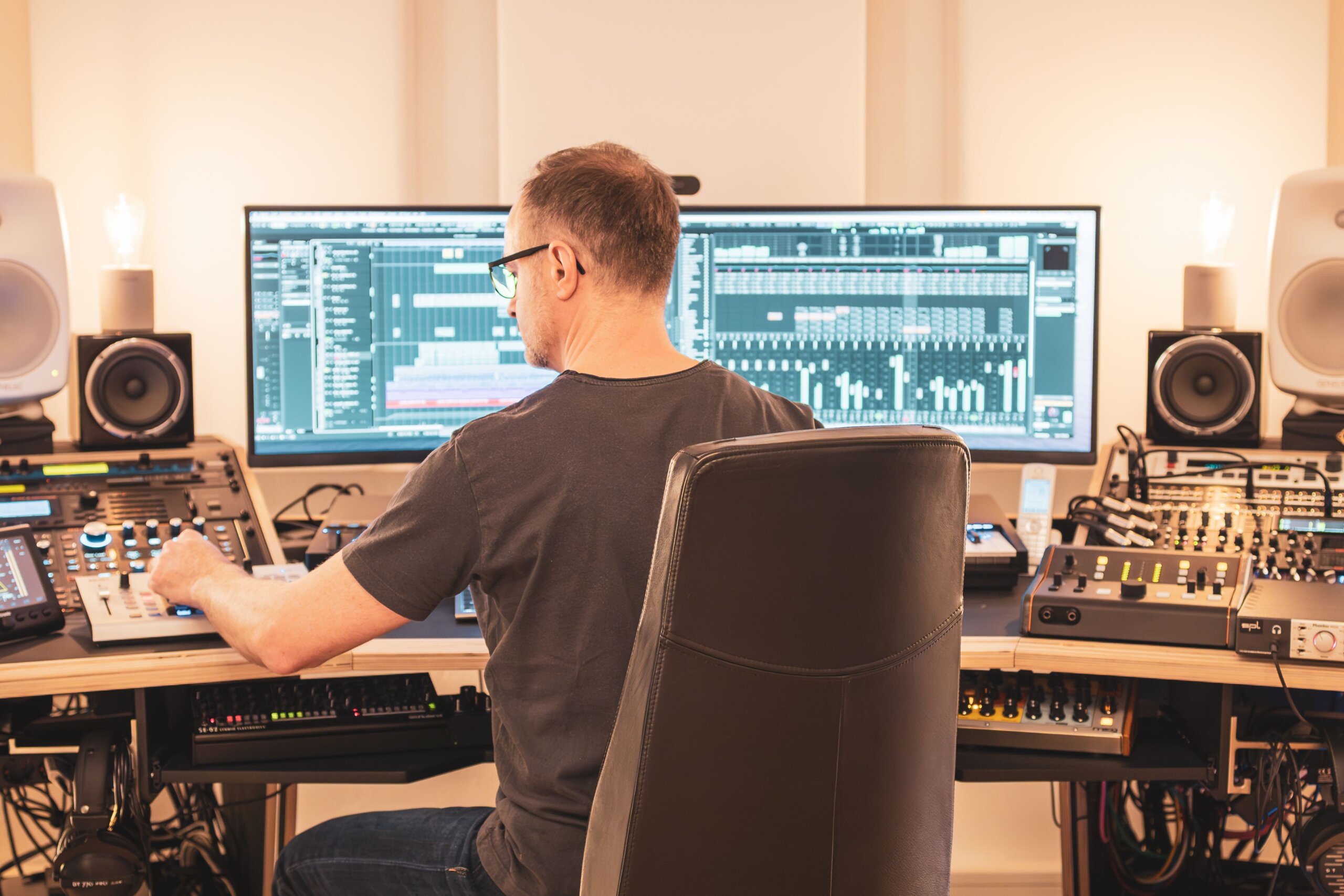
Despite debates, ambient music continues to grow in popularity, in part probably because it responds to a deep human need to slow down and reflect. For many artists, including Thomas, this is then not merely about background sound, but more about designing environments to help listeners enter specific states of self-awareness. States that, perhaps more than ever, we all need today.
Aside from all perceptions, it’s always a pleasure for us to see how our instruments are chosen and useful for many artists, like Thomas, to create a special connection with the listener. As we usually phrase, instruments should be more than merely tools, they should become collaborators and enablers of this communication. We’re happy to see that this is the case!
We now invite you to listen to Thomas’ sound and see where it takes you.
Despite debates, ambient music continues to grow in popularity, in part probably because it responds to a deep human need to slow down and reflect. For many artists, including Thomas, this is then not merely about background sound, but more about designing environments to help listeners enter specific states of self-awareness. States that, perhaps more than ever, we all need today.
Aside from all perceptions, it’s always a pleasure for us to see how our instruments are chosen and useful for many artists, like Thomas, to create a special connection with the listener. As we usually phrase, instruments should be more than merely tools, they should become collaborators and enablers of this communication. We’re happy to see that this is the case!
We now invite you to listen to Thomas’ sound and see where it takes you.
